


Best Time to Visit Playa del Carmen for a Retreat
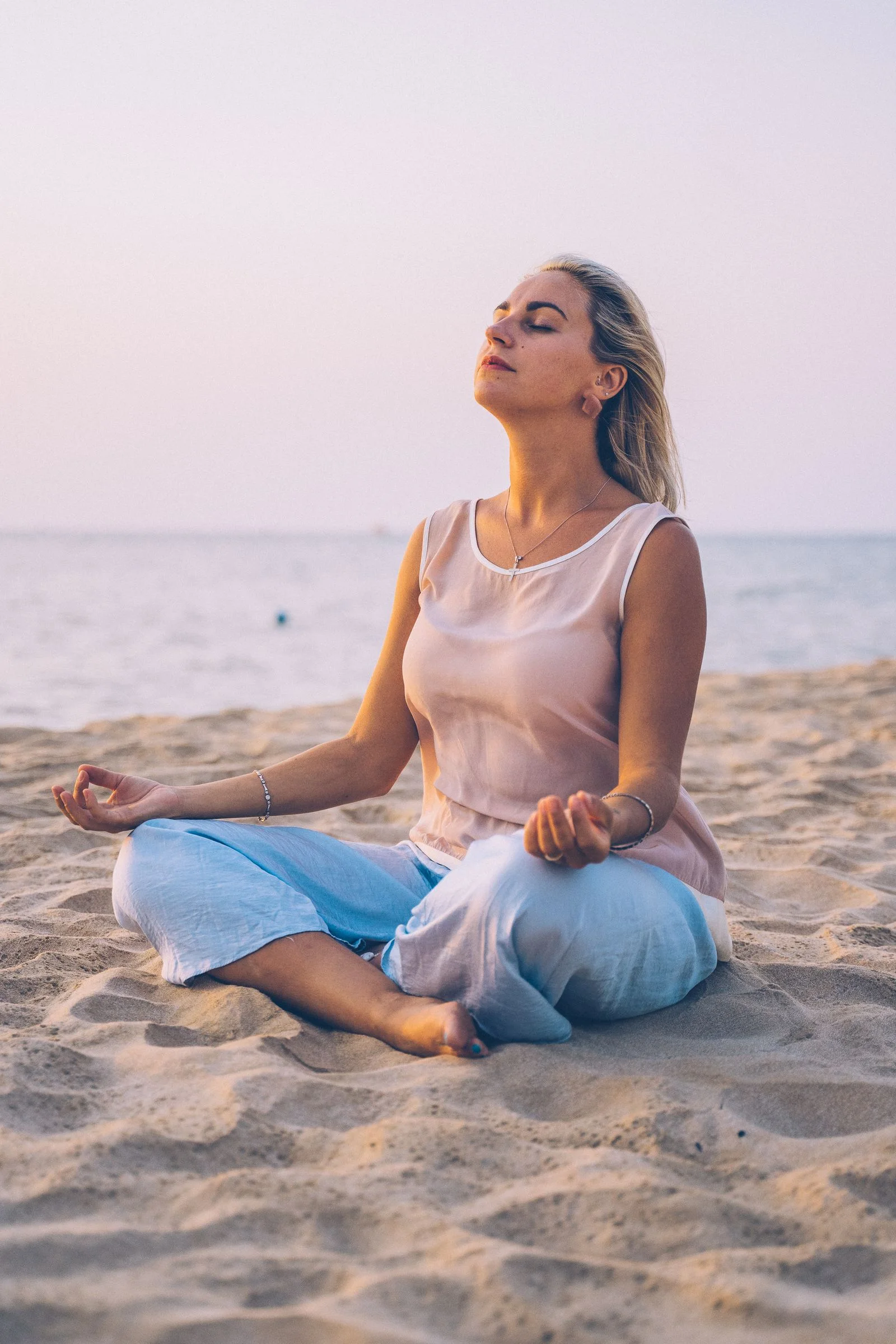
Illustrative stock photo from Pexels, not a Life Synergy session.
Quick answer
For a retreat in Playa del Carmen, February and March are often a comfortable starting point, while late October and November can suit travelers who accept more weather flexibility. Summer is hot and humid, and historical Mexican Caribbean sargassum arrivals have been most critical from May through September. Atlantic hurricane season runs from June 1 to November 30, so October and November are not storm-free shortcuts. Choose your dates around the actual retreat program, your tolerance for heat and time to prepare and settle afterward, not only the promise of a perfect beach.1,2,3,5
There is the best time to visit Playa del Carmen for a beach holiday. Then there is the best time to come here for a retreat. They overlap, but they are not quite the same question.
For a holiday, you might reasonably be optimizing sunshine, clear water and the distance between your chair and a coconut. For a retreat, you also need to think about sleep, a comfortable pace, the program you want and whether you can return home without immediately reporting for duty in twelve different WhatsApp groups.
The weather matters. So does the person arriving in it. Here is the honest version, including the Yucatan heat, the seaweed and the small detail that nature has never signed our booking terms.
1. What is the weather like in Playa del Carmen throughout the year?
Playa del Carmen stays warm year-round. Average daytime highs generally sit somewhere from the upper 20s to the low 30s Celsius, roughly the low 80s to low 90s Fahrenheit, depending on the month and the climate dataset. The bigger practical change is often how the warmth feels: winter and early spring are generally more comfortable, while summer brings substantially more humidity and rain.1,2
Late winter and early spring are relatively dry. Rain increases in the summer, and September and October deserve particular attention when you are planning outdoor time. November is a transition toward drier conditions, not a switch somebody flips at midnight on the first.1,2
A rainy month does not mean every hour is rainy. It also does not mean every shower lasts ten minutes and politely waits until you have finished your excursion. Leave room for changing plans rather than building a schedule that needs the sky to cooperate every afternoon.
2. Playa del Carmen month by month: weather, sargassum and retreat planning
This is a seasonal planning guide, not a forecast. Weather descriptions follow published climate averages and a local seasonal guide; seaweed notes summarize historical Mexican Caribbean patterns and broader Atlantic research. An individual beach can differ from the regional pattern in any month. Hurricane-season notes describe the Atlantic basin, not the probability of a storm hitting Playa del Carmen on your dates.1,2,3,4,5,6
| Month | Typical weather and comfort | Historical sargassum tendency | What it means for a retreat |
|---|---|---|---|
| January | One of the cooler, generally drier months; still warm by most visitors' standards | Usually outside the main arrival peak, but not guaranteed clear | A comfortable option for outdoor time; confirm the setting and actual program |
| February | Warm, relatively dry and usually less humid than summer | Often lighter than during the May-September critical period | A strong starting point if heat affects your energy or sleep |
| March | Relatively dry; afternoons grow warmer | Arrivals can begin or increase before the main peak | Often a good balance for practice, rest and excursions; do not assume the town will be quiet |
| April | Hotter afternoons and rising humidity | A transition month; early substantial arrivals are possible | Favor early outdoor activities and ask about cooling in the accommodation |
| May | Hot; humidity builds as the wetter season approaches | Start of the historically most critical May-September window | Meaningful retreat time is possible, but a beach-first itinerary needs flexibility |
| June | Hot, humid, with more rain and warm nights | Within the main arrival window; broader Atlantic abundance often peaks around June or July | Confirm shaded or indoor alternatives; Atlantic hurricane season begins June 1 |
| July | Hot and humid; showers can interrupt outdoor plans | Within the main arrival window | Plan a slower outdoor pace rather than a midday sightseeing marathon |
| August | Strong humid heat, warm nights and a wetter-season rhythm | Within the main arrival window | Cooling and rest matter; Atlantic activity usually rises from mid-August |
| September | Hot, humid and among the wetter months | Significant arrivals remain possible within the critical window | Allow the most itinerary flexibility; the Atlantic basin's seasonal peak is around September 10 |
| October | Still warm and potentially very rainy; comfort gradually improves | Often begins easing after the main historical peak, but heavy arrivals can still happen | A flexible retreat-oriented option, especially later in the month; still hurricane season |
| November | Generally becoming less rainy and more comfortable | Often lighter than summer, with no clear-beach guarantee | A useful transition-season choice; hurricane season continues through November 30 |
| December | Generally drier and more comfortable than summer | Usually outside the main arrival peak | A comfortable climate option, but choose dates that genuinely leave room for the retreat |
The seaweed column deliberately says “often,” “possible” and “historical.” Those are useful words. “Guaranteed turquoise water on Tuesday” is not one of them.4,6
3. Why are October-November and February-March often good retreat choices?
These are two windows worth considering, but they come with different trade-offs.
October and November: a transition, not a weather guarantee
Late October and November can be appealing if your main reason for coming is the retreat rather than several uninterrupted beach days. You are moving beyond the historically most critical sargassum period, and conditions generally trend toward more manageable heat and less rain as November progresses. October itself can still be very wet.1,2,3
For someone happy to trade a rigid outdoor itinerary for time to rest, that can be a sensible balance. For someone whose entire trip depends on perfect snorkeling conditions every morning, it is a less reliable bet.
Both months remain within Atlantic hurricane season. Late October is not the same as early September, but lower seasonal activity is not zero risk. Ask about the provider's weather plan and read cancellation terms before paying.5
February and March: comfortable conditions, with a tourism-season caveat
February and March often offer relatively dry weather and more comfortable humidity than summer. That can make morning movement, walking and time outdoors easier to enjoy, especially if you know that humid heat leaves you exhausted. They also sit before the historical May-September critical sargassum window, although arrivals can happen earlier.1,2,3
One honest correction: February and March are not generally the Riviera Maya's quiet tourism shoulder season. A local accommodation guide places them inside the broader December-April peak travel period. March can be busy, so check holiday dates, the venue's surroundings and whether your particular accommodation offers the quiet you want.2
Think of these as useful retreat-planning windows, not two identical “low-season” deals. October-November is a weather transition. February-March is often a climate-comfort choice. Neither automatically delivers the lowest price or an empty beach.
If comfort is your priority, start by comparing February-March with November. If flexibility matters more than maximizing dry-weather odds, consider late October too. Then match the window to a real retreat date, rather than buying flights and hoping a program appears.
4. How hot is the Yucatan in summer? Honestly, very.
We mentioned the Yucatan sun in our Maya pyramid article. It has not become more diplomatic since then.
Summer in Playa del Carmen is hot and humid, with warm nights as well as hot afternoons. Published June averages put nighttime temperatures around the mid-20s Celsius, so the day does not necessarily end with a refreshing cool-down. A breeze can help. It does not turn the peninsula into Switzerland.1,2
This is the kind of heat where a short walk can become an unexpectedly intimate relationship with your shirt. Standing in the sun at 2 pm is not automatically an act of presence. Sometimes it is simply poor scheduling.
You can still have a worthwhile summer retreat. The practical question is whether the accommodation and daily rhythm support your comfort:
- Ask whether your actual bedroom has air conditioning, and whether it is available overnight.
- Confirm shade, ventilation and a comfortable place to rest between activities.
- Put walks and archaeological excursions in cooler parts of the day where possible.
- Carry water, take breaks and do not treat discomfort as a competition.
- Tell the team about heat sensitivity and ask your clinician about relevant health or medication concerns.
CDC heat guidance recommends cooler activity times, shade, breaks and regular fluids. Those are sensible precautions, not a challenge to your spiritual commitment. If you feel dizzy, weak or unwell, stop the activity, move somewhere cooler and seek help as appropriate.7
Nobody receives extra retreat points for refusing a fan.
5. When is hurricane season, and should it stop you from coming?
The Atlantic hurricane season runs from June 1 through November 30. The National Hurricane Center identifies September 10 as the climatological peak, with most activity occurring from mid-August to mid-October. Tropical cyclones can occasionally occur outside the official dates too.5
That is a description of the Atlantic basin over many years. It is not a forecast that Playa del Carmen will be hit during a particular week, and it does not mean six months of continuous storms.
It does mean you should plan thoughtfully:
- Read the retreat's cancellation, postponement and refund terms before booking.
- Check what your travel insurance actually covers, including relevant storm exclusions and purchase deadlines.
- Ask who will contact you if the program or transport must change.
- Check official weather information close to departure and follow local civil-protection instructions during your stay.
- Do not treat a ceremony, excursion or beach plan as more important than a weather warning.
If minimizing storm-season uncertainty is important to you, February or March is a simpler starting point than September or October. If November fits your life much better, it can still be worth discussing, with eyes open and an actual contingency plan.5
The useful response is preparation. Not panic, and not “we're sure it will be fine.”
6. When is sargassum season in Playa del Carmen?
Historically, the Mexican Caribbean's most critical sargassum-arrival period has been May through September. The University of South Florida's research describes a broader Great Atlantic Sargassum Belt pattern that typically peaks in June or July, with a winter minimum. Those are related patterns, but ocean abundance and the amount washed onto one Playa del Carmen beach are not the same measurement.3,4
Arrivals can start before May, continue after September and vary considerably between years. USF also notes that some years have substantial sargassum even during winter. There is no month in which the sea signs a legally binding no-seaweed agreement.4
Winds, currents, tides and waves affect whether floating sargassum reaches a particular shore. NOAA explains that broad monitoring does not establish the exact arrival time at an individual beach.6
For planning purposes:
- Late autumn and winter often offer better odds of lighter arrivals than the main summer window, not a guarantee.
- March and April need checking too, even though they precede the historically critical period.
- May through September calls for greater flexibility if beach swimming is central to your trip.
- Shortly before travel, check a named beach, a dated report and a recent local observation, rather than a recycled regional headline.3,4,6,10
Sargazo.info's Playa del Carmen directory is one place to start. It uses community reports and other sources, and different beach listings can have different update dates. A status badge is useful only if you also know when and where it was observed.10
A retreat can be meaningful without a perfect beach day. That does not make seaweed irrelevant if the beach is a major reason you are coming. Tell us what matters to you so we can discuss your dates honestly, rather than pretend your priorities should disappear because you packed a journal.
7. How do you choose dates for a meaningful retreat, not just a beach holiday?
Start with the experience you actually want.
Are you looking for yoga, rest and time away? A facilitated ceremonial program? A private experience with people you know? The answer should guide the program before the season guides the flights.
Then consider four practical questions:
Can you prepare without rushing?
For its small-group ceremonial program, Life Synergy recommends beginning preparation about a month before arrival. That does not mean a month off work. It means leaving enough time for the relevant conversations, confidential screening and practical preparation instead of trying to do everything at the airport.8
Can you sleep comfortably in the climate?
If hot, humid nights reliably disturb your sleep, ask about your room and cooling arrangements. Choosing a more comfortable season can be a practical act of self-knowledge, not a failure to embrace the tropics.1,2
Will the trip have breathing room?
Where possible, leave some space around arrival and your return home. An extra buffer day is a planning suggestion, not a required or included part of a Life Synergy package. Do not assume an early arrival means your retreat accommodation is available before check-in.
Is the program suitable for you?
Good weather cannot make an unsuitable program suitable. If you are considering a psilocybin retreat, discuss medical and mental-health history, medications and the program's screening process with the appropriate professionals and the retreat team before committing. Life Synergy's ceremonial program is a nonmedical wellness experience, not a substitute for medical or psychiatric care. Its published information describes preparation and post-retreat integration support.8
A beach holiday can be wonderful. A retreat can also be worthwhile without every day looking like a travel advertisement. The meaningful difference is the intention and structure of the experience, not the number of cloudless photographs you bring home.
8. How should you choose Life Synergy retreat dates?
Check the current Life Synergy retreat dates and program details before booking flights. The standard small-group ceremonial retreat is listed as five days and four nights, while special editions can be longer.8
At the time of research on October 7, 2026, the published schedule included the following examples:
| Published retreat dates | Seasonal planning perspective |
|---|---|
| November 24-28, 2026 | A late-autumn transition option, still within hurricane season |
| December 15-19, 2026 | A generally more comfortable, drier-season option |
| February 16-22, 2027 | A longer Mushroom + Music edition in a relatively comfortable climate window |
| March 16-20, 2027 | A standard retreat within a generally drier window, with warmer afternoons |
| May 25-29, 2027 | A hotter choice within the historical critical sargassum period |
These are published dates, not confirmation of remaining places. Recheck the live schedule, the particular edition, availability and booking terms with Life Synergy. February's longer music edition should not be mistaken for the standard five-day program.8
If you want a private yoga or wellness retreat instead, the private retreat inquiry asks for your preferred dates, group size and length of stay. That starts a conversation about a proposal; it does not guarantee that any date or every listed activity is available. Specify the experience you want, including whether you want a substance-free program, and confirm the agreed itinerary.9
Our practical suggestion is simple: bring us two or three date windows, tell us how important the beach is, and mention any concerns about heat or travel flexibility. Confirm the program, accommodation, weather alternatives and arrival arrangements before paying for nonrefundable travel.
You can book a free discovery call or contact us at [email protected].
We cannot reserve a cloudless sky. We can help you ask better questions before reserving a flight.
Frequently asked questions
What is the best month to visit Playa del Carmen for a retreat?
February, March and November are useful starting points. February and March generally offer drier, more comfortable conditions than summer. November is a transition toward those conditions but remains within hurricane season. The best choice also depends on program dates, heat tolerance and how much beach time matters to you.1,2,5
Are October and November good months for a retreat?
Are February and March shoulder season in Playa del Carmen?
Not usually in the tourism sense. They fall within the broader December-April peak travel period described by a local accommodation guide. They can be excellent retreat-planning choices because of climate comfort, but that does not mean lower prices, empty beaches or guaranteed quiet.2
Is Playa del Carmen too hot in summer for a retreat?
When is hurricane season in Playa del Carmen?
Playa del Carmen is in the Atlantic basin, whose official hurricane season runs from June 1 to November 30. The basin's climatological peak is around September 10, with most activity between mid-August and mid-October. This seasonal pattern is not a forecast for an individual trip.5
What months have the most sargassum in Playa del Carmen?
Is there a guaranteed seaweed-free month?
Does rainy season mean it rains all day?
Should I book flights before choosing my retreat?
Sources
Research checked October 7, 2026. Seasonal descriptions are historical tendencies, not live forecasts or guarantees. Different climate datasets give different numerical averages, so the comparison table uses qualitative planning guidance rather than false precision. Published retreat dates should be rechecked before booking.
- Holiday Weather: Playa del Carmen climate averages, with June weather details. Year-round warmth, monthly rainfall trends and warm summer nights. Climate averages are not daily forecasts.
- Blue Playa Rentals: Playa del Carmen weather by month. Local seasonal humidity and comfort descriptions, and the December-April tourism peak. This is an accommodation company's guide, not an independent meteorological authority.
- CONAHCYT: Context of sargassum arrivals on Mexican coasts. Historical May-September critical arrival period, recurring patterns and year-to-year variation.
- University of South Florida: Sargassum Watch System and FAQ. Broader Great Atlantic Sargassum Belt peak around June or July, typical winter minimum, winter exceptions and limitations of individual beach prediction.
- NOAA National Hurricane Center: Tropical cyclone climatology. June 1-November 30 Atlantic season, September 10 climatological peak and main activity period. These are basin-wide historical patterns.
- NOAA CoastWatch: Sargassum FAQ. Winds, currents, waves and tides, monitoring limits and the difference between regional abundance and actual beach arrivals.
- CDC: About heat and your health. Cooler activity times, shade, hydration, breaks and recognizing overheating symptoms. General heat guidance, not a personal health assessment.
- Life Synergy Retreat: Small-group ceremonial retreat. Published 2026-2027 dates, standard duration, longer editions, preparation and integration support. Dates do not establish live availability.
- Life Synergy Retreat: Private yoga retreat inquiry. Preferred dates, group size and length-of-stay inquiry process. An inquiry is not a confirmed booking or itinerary.
- Sargazo.info: Playa del Carmen beach directory. Beach-specific community reporting with varying update dates. Check the observation date and compare with recent local information.
Find the retreat dates that fit your life
Tell us your preferred date windows, how much beach time matters and what kind of retreat you want. We will discuss current program options, practical preparation and the details to confirm before booking travel.