



Microdosing vs a Full-Dose Psilocybin Ceremony
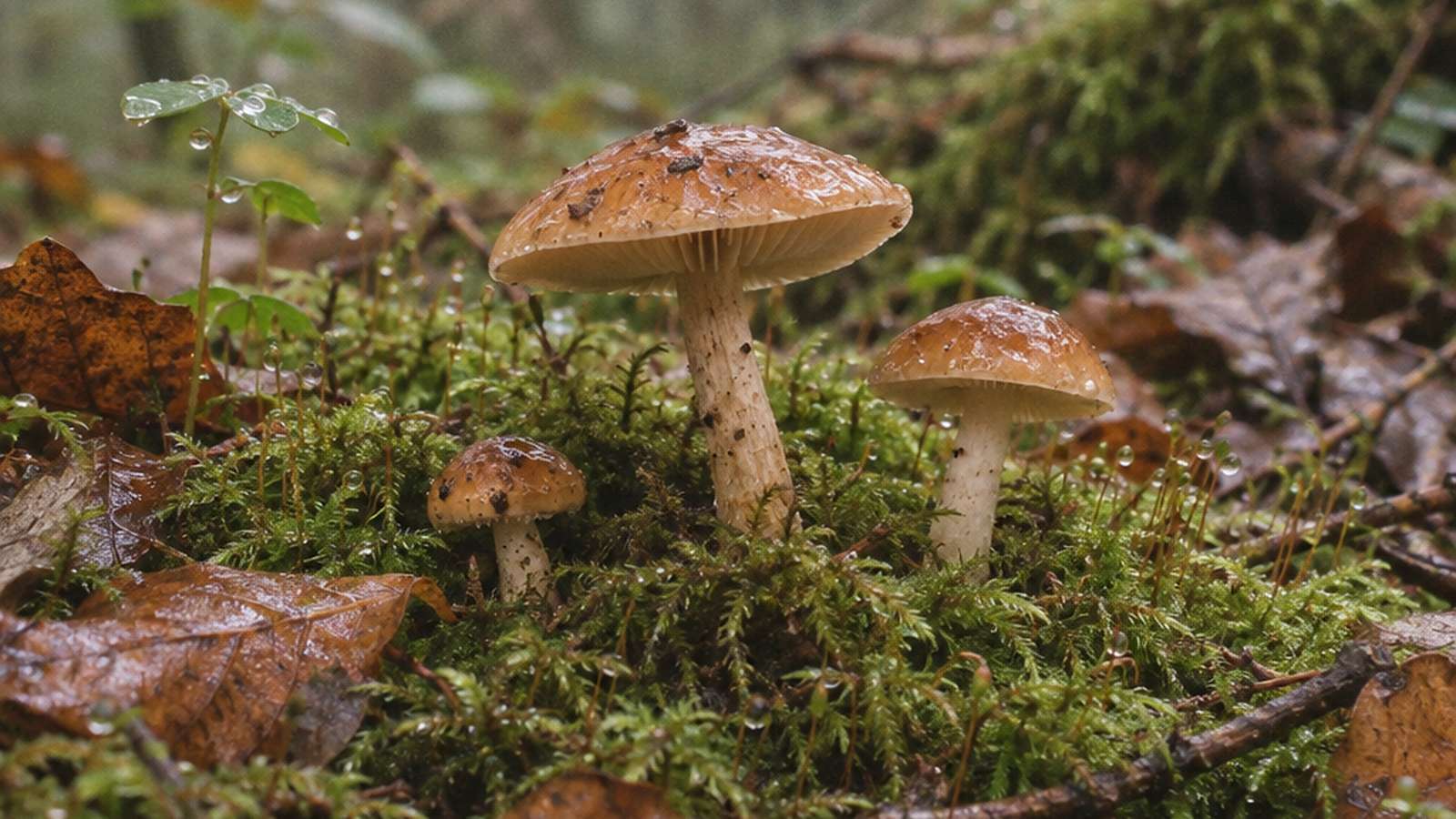
Illustrative image created with AI. Not a photograph of Life Synergy Retreat.
Quick answer
Microdosing means taking very small amounts of a psychedelic, usually with the intention of avoiding a pronounced altered state; a full-dose psilocybin ceremony makes the altered experience itself the focus. They differ in intent, intensity, time commitment and support requirements, and neither should be assumed to be risk-free. Placebo-controlled microdosing research has not established reliable cognitive or emotional benefits, while some full-dose clinical trials have found symptom improvements in carefully screened participants receiving structured psychological support. Those clinical results do not establish what a retreat ceremony will do for an individual.1,2,4,5,6
It is easy to see why these two approaches get mixed together. Both involve psilocybin, both attract people who are curious about their inner experience, and both appear in conversations about personal growth. But they are not simply the same activity with a different-sized portion.
At Life Synergy, we offer ceremonies, not microdosing protocols. We want that distinction to be clear before anyone considers joining us. This guide explains what differs, what the research can reasonably tell us, and which questions deserve attention before making a decision.
What is the difference at a glance?
| Question | Microdosing | Full-dose psilocybin ceremony |
|---|---|---|
| What is the intended experience? | Subtle or minimally noticeable effects, rather than a pronounced altered state. | A clearly altered experience that becomes the central activity. |
| What draws people to it? | Often curiosity about mood, focus, creativity or day-to-day functioning. These intentions are not evidence of benefit. | Often reflection, personal exploration or a meaningful ceremonial experience. These intentions are not promised results. |
| How is time organized? | Commonly discussed as repeated low-dose use alongside ordinary life. | A dedicated session with preparation, support during the experience and time afterward. Formats vary. |
| What does support need to address? | Medical risks, unexpected effects, medication interactions and uncertainty about repeated use. | The same medical questions, plus more intensive attention to acute distress, supervision, environment and follow-up. |
| What does research establish? | Mixed findings, with several controlled trials finding no meaningful advantage over placebo on the outcomes studied. | Promising results for specific clinical questions under controlled conditions, not evidence that all ceremonies produce those results. |
The research supports the differences in intended intensity and study design, but there is no universal scientific protocol defined by the word “ceremony.” Ask a provider what that label means in practice.1,2,3,4,5,6,7
What does microdosing actually mean?
Microdosing generally refers to taking a very small amount of a psychedelic. People often describe the target as “sub-perceptual,” meaning they do not intend to experience obvious changes in perception. That is an intention, not a guarantee: measurable or noticeable effects can still occur.1,2,4
Some people pursue microdosing hoping to feel more focused, creative or emotionally steady. A hope, a personal report and a demonstrated effect in a controlled study are three different things. Keeping them separate helps us avoid turning an interesting possibility into a promise.1,3,4
There is also no single research-backed microdosing schedule that this article can recommend. Studies differ in substance, amount, frequency, duration and participant population. Findings about low-dose LSD should not automatically be treated as findings about psilocybin.4
We are deliberately not providing quantities, schedules or instructions for making a microdosing routine. This is a comparison, not a dosing guide.
What is a full-dose psilocybin ceremony?
In this article, “full-dose” means an amount intended to produce a pronounced psychedelic experience, rather than a subtle effect in the background of an ordinary day. Psilocybin can alter perception, emotional experience and the sense of self. Experiences can include difficult emotions, anxiety, confusion or fear as well as experiences people find personally meaningful.1,7
A ceremony adds a human framework around that experience. Depending on the provider, that may involve intention-setting, music, silence, group or individual support, and reflection afterward. The name alone tells you little about screening, staff qualifications or emergency arrangements.
It is also important to separate a ceremony from a clinical trial. In a trial, researchers use a defined study drug, eligibility criteria, structured support, outcome measurements and formal oversight. A retreat is not made equivalent to that research setting by using the same substance or a similar-looking room.6,7
A full-dose experience should not be treated as something to fit between work, driving or other responsibilities. For example, the 2023 clinical trial discussed below allocated a supervised dosing session lasting seven to ten hours, separate from preparation and follow-up. That is an example of one research protocol, not a description of every ceremony.6
How do intentions differ?
A useful question is not “Which one is stronger?” but “What am I actually looking for?”
Microdosing is often framed as a subtle adjustment within daily life. A ceremony is more often approached as a dedicated pause for personal exploration. Neither framing establishes that the hoped-for experience will happen.1,3,4
For a ceremony, an intention might be a question you want to approach with curiosity, rather than a demand for a particular result. It might be as simple as wanting space to reflect on a transition or understand what you are carrying into the next chapter of life.
That is different from expecting psilocybin to deliver a diagnosis, make an important decision for you or replace professional care. If your main concern is a medical or mental health condition, bring it to a qualified healthcare professional. A discovery call with a retreat does not replace that conversation.1
An intention can help you explain why you are interested. It should not become a contract that the experience must fulfill.
How different can the experiences feel?
Microdosing is intended to avoid the pronounced effects associated with a larger dose, but “small” does not mean “nothing happens.” In a 2022 placebo-controlled mushroom study, researchers observed subjective effects without finding support for enhanced creativity, well-being or cognitive functioning on the measures studied. They also noted small changes pointing toward impairment on some tasks.2
With a full dose, the altered state can become much more prominent. Ordinary surroundings or thoughts may feel different, and emotions can be intense. That is one reason preparation and reliable support matter. A difficult period is possible, and a positive experience is not guaranteed.1,7
There is no good reason to treat intensity as a scorecard. More dramatic does not necessarily mean more useful, and less noticeable does not necessarily mean safer. The relevant questions are suitability, informed consent and how risks are managed, not how impressive the experience might sound afterward.1,7
Why do setting and support requirements change?
“Set” refers to the person's mindset, expectations and psychological state. “Setting” includes the physical and social environment. Official guidance and research safety recommendations emphasize both because the context can influence the experience and the management of distress.1,7
A full-dose session calls for a dedicated environment where someone experiencing altered perception does not have to navigate normal obligations. Clinical research safety guidance describes careful screening, preparation, a physically secure room, continuous support from trained monitors, access to medical assistance and follow-up. These are research recommendations, not proof that a particular retreat meets them.7
Before considering a ceremony, ask a provider:
- Who reviews medical history, mental health history, medications and supplements?
- What would lead the team to decline or postpone participation?
- Who remains available throughout the experience, and what are their qualifications?
- What are the boundaries around touch, privacy and consent?
- What happens if someone becomes distressed or needs urgent medical attention?
- What support is available afterward, and what happens if difficulties persist?
Microdosing does not remove the need for medical judgment or a safe context. Someone who expects negligible effects may still feel anxious, physically uncomfortable or less focused. Repeated use also raises questions that short studies cannot settle.1,2,4
Do not drive or take on safety-sensitive tasks while affected. Do not stop or change prescribed medication to make yourself eligible for an experience without guidance from the prescribing clinician. Seek urgent help for severe or persistent distress, dangerous behavior or a medical emergency.1,7
What does the research say about microdosing?
The most useful evidence is not simply whether people report feeling better. It is whether a study can distinguish an effect of the substance from expectations, ordinary fluctuations and the effects of taking part in a study.
Controlled studies have often found no clear advantage
In the 2022 study by Cavanna and colleagues, 34 participants took part in a double-blind, placebo-controlled experiment with psilocybin-containing mushrooms. Researchers found noticeable subjective effects but did not find evidence for enhanced creativity, well-being or cognitive functioning. The study was small and short, and participants often guessed their condition correctly.2
A 2021 self-blinding citizen-science study had 191 participants complete its core period. Psychological measures improved in people assigned to microdosing, but comparable improvements occurred in placebo groups. The study involved mostly LSD or related substances, with a smaller mushroom subgroup, so it is not a pure psilocybin trial. Participants supplied their own substances, and the actual contents and amounts were not laboratory-verified.3
More recently, Prochazkova and colleagues reported two double-blind, placebo-controlled longitudinal trials of psilocybin truffle microdosing. Their paper, published online in 2025 and in a 2026 journal issue, found no significant effect on the behavioral or subjective outcomes compared with placebo after correction for multiple comparisons. The abstract reports that participants remained effectively blinded.5
“It is all placebo” is also too simple
A 2024 rapid review identified 19 placebo-controlled papers representing ten independent experiments. The authors described both positive and null findings and argued that the evidence was insufficient to conclude that all microdosing effects are explained by placebo. They highlighted small samples, limited repeated-use research, blinding problems and differences between substances.4
The balanced conclusion is that small doses can have effects, but reliable improvements in creativity, cognition or emotional functioning have not been established. Detecting a physiological change is not the same as demonstrating a useful real-world benefit. Long-term safety is also unresolved.1,2,4,5
What does the research say about full-dose psilocybin?
Some full-dose clinical research has produced promising findings for specific conditions. In a 2023 randomized trial involving 104 adults with major depressive disorder, a single dose of synthetic psilocybin with structured psychological support was associated with a greater reduction in depression scores than an active placebo over the six-week primary follow-up period.6
This was not a ceremony advertised to the general public. The protocol included six to eight hours of preparation, a seven- to ten-hour session supervised by two facilitators and four hours of follow-up integration sessions. Participants were selected using eligibility criteria, including exclusions related to psychosis or mania history and certain suicide risks.6
The trial also had limits. The primary follow-up was relatively short, the sample was not representative of everyone, and the pronounced effects made effective blinding difficult. Adverse events were more frequent in the psilocybin group, even though no serious treatment-emergent adverse events were reported in that trial.6
These findings justify further investigation. They do not justify saying that a ceremony will reproduce the results, that a particular person will benefit or that a stronger dose is better than microdosing for everyone.
The studies discussed here are not head-to-head comparisons of a commercial ceremony and a microdosing routine. Comparing separate research programs does not produce a personal recommendation.2,3,5,6
What should you consider before choosing either approach?
Neither approach is suitable for everyone. Official guidance identifies particular concerns for people with psychotic conditions and certain other psychiatric histories. Research screening also considers medical conditions, medication use and personal or family history of psychosis or bipolar disorder. Suitability needs individual professional assessment, not a checklist completed alone.1,7
A practical next step is to separate three conversations:
- Medical suitability: What does a qualified healthcare professional need to know about your health history, medications and current circumstances?
- Provider transparency: What are the actual screening, consent, staffing, emergency and follow-up arrangements?
- Personal intention: Are you curious about a dedicated experience, or are you looking for a daily-use routine that this provider does not offer?
At Life Synergy, that third distinction matters. Our offering is ceremonies, not microdosing protocols. We can discuss the ceremony format and the questions to raise before considering participation, without promising a result or presenting a retreat as clinical care.
If you would like to understand the format, you are welcome to book a free discovery call or email contact@lifesynergyretreat.com. A conversation is a chance to ask questions, not a commitment to participate.
Frequently asked questions
Is microdosing the same as a psilocybin ceremony?
Does Life Synergy offer microdosing protocols?
No. Life Synergy offers ceremonies, not microdosing schedules, products or daily-use protocols. A discovery call can clarify the ceremony format, but it is not a consultation for prescribing a microdosing routine.
Is microdosing proven to improve focus or creativity?
Is microdosing just a placebo effect?
Expectations appear important in some studies, but it is too strong to say every effect is placebo. A 2024 review found mixed results and limitations in the evidence. The more defensible statement is that meaningful benefits remain unproven, while some biological and subjective effects have been observed.3,4
Is a full-dose ceremony proven to give the same results as a clinical trial?
Is microdosing safer because the amount is smaller?
Do I need a microdosing routine before attending a ceremony?
Can I participate if I take medication?
What does integration mean after a full-dose experience?
Integration refers to making time afterward to reflect on the experience and discuss any questions or difficulties. In research, follow-up also helps assess psychological stability and persistent adverse effects. The presence of integration sessions does not guarantee a beneficial outcome or turn a retreat into clinical treatment.6,7
Can either approach replace medical or mental health care?
No. Do not use psilocybin to delay or replace appropriate healthcare. If you are experiencing a medical or mental health concern, speak with a qualified professional; severe or persistent distress needs timely assessment.1
Sources
Selected sources checked on October 7, 2026. This is an educational overview, not an exhaustive systematic review or individualized medical advice.
- NCCIH: Psilocybin for Mental Health and Addiction, What You Need To Know. Official overview of microdosing, uncertainty, adverse effects, set and setting, and the importance of professional care.
- Cavanna et al. (2022): Microdosing with psilocybin mushrooms, a double-blind placebo-controlled study. Primary study of acute and short-term effects, including null findings on creativity and well-being, subjective effects and methodological limitations.
- Szigeti et al. (2021): Self-blinding citizen science to explore psychedelic microdosing. Mixed-substance citizen-science study examining placebo, expectations and psychological outcomes, with unverified participant-supplied substances.
- Polito and Liknaitzky (2024): Is microdosing a placebo? A rapid review of low-dose LSD and psilocybin research. Review of controlled research, positive and null findings, and reasons to avoid categorical claims about placebo or benefits.
- Prochazkova et al. (online 2025; journal issue 2026): Cognitive and subjective effects of psilocybin microdosing, results from two double-blind placebo-controlled longitudinal trials. PubMed abstract reporting no significant behavioral or subjective advantage over placebo after multiple-comparison correction. Full text was not reviewed for this article.
- Raison et al. (2023): Single-Dose Psilocybin Treatment for Major Depressive Disorder, a randomized clinical trial. Primary full-dose clinical study supporting the carefully bounded research summary, structured support description, adverse-event discussion and limitations.
- Johnson, Richards and Griffiths (2008): Human Hallucinogen Research, Guidelines for Safety. Foundational clinical research guidance on screening, preparation, supervision, physical safety and follow-up. It is not a certification of any retreat's practices.
Curious about the ceremony format?
Life Synergy offers ceremonies, not microdosing protocols. Book a free discovery call to ask about the format, screening process and what to consider before participating. No outcome is promised. You can also email contact@lifesynergyretreat.com.