



Breathwork vs Meditation: Which Practice Fits You?
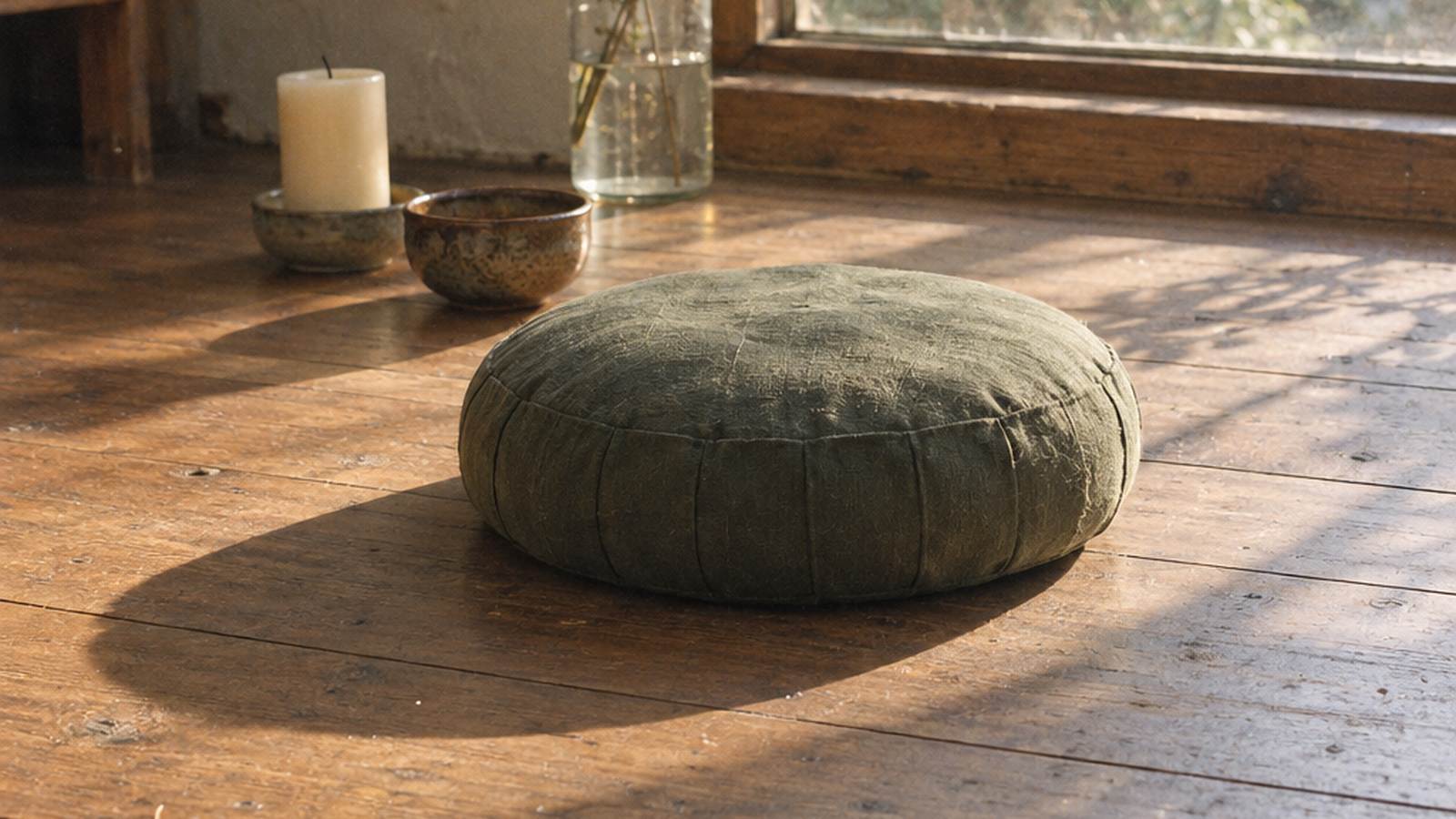
Illustrative image created with AI. Not a photograph of Life Synergy Retreat.
Quick answer
Breathwork deliberately changes how you breathe, while meditation usually trains attention and awareness, sometimes by observing the breath without changing it. Both may support well-being, but the technique matters: gentle breathing, intensive rhythmic breathwork and mindfulness meditation are different experiences with different precautions. Research does not establish one as universally better. Life Synergy includes optional sunrise meditation and a separate conscious, rhythmic breathwork session in its published retreat program.1,3,4,5
Perhaps you have tried sitting quietly, only to discover that your mind has scheduled an entire committee meeting. Or perhaps you enjoy meditation, but would like something with a little more structure.
You do not have to choose a side. Understanding what each practice actually asks you to do is more useful than deciding which one sounds more spiritual. Let’s look at the differences, what the research can tell us, and how to find a sensible starting point.
1. What is breathwork, exactly?
Breathwork is an umbrella term for practices that intentionally regulate breathing. A session might change the pace, depth or pattern of your breath. The research literature includes both slow-paced and fast-paced methods, so the word alone tells you very little about intensity.3
A gentle breathing exercise might involve settling into a comfortable chair and breathing regularly without forcing the breath. The NHS offers this kind of exercise, with an optional count on the inhale and exhale.2
Other formats involve more sustained rhythmic breathing and a more active experience. Life Synergy’s published retreat itinerary describes conscious, rhythmic breathwork and notes that it can bring tingling, light-headedness or strong emotions. That is not the same session as a gentle breathing exercise at your desk.5
Before joining a class, ask:
- What breathing pattern will we use?
- How long does the active part last?
- Are there breath holds or faster breathing?
- What screening and support are provided?
- Can I pause, return to normal breathing or sit out?
“Breathwork” is a category, not a complete description. Ask about the method before deciding whether it suits you.
2. What does meditation involve?
Meditation is also a family of practices. Some use a repeated word or phrase. Others focus on sounds, sensations or a visual image. Mindfulness involves attending to the present moment without judging what you notice.1
For this comparison, the clearest example is breath-focused mindfulness: you notice the breath as it happens rather than deliberately changing its rhythm. That was the meditation approach used in a direct comparison trial discussed below.4
You might notice air moving through your nose, the movement of your chest, or the contact of your body with the chair. When attention wanders, the practical task is to notice and return, not to win an argument with your thoughts.
Meditation does not require the classic cross-legged pose. Choose a position you can maintain comfortably. Nor do you need to make your mind perfectly silent before you begin. Treat it as a practice of paying attention, not a performance of being peaceful.
3. What is the main difference between breathwork and meditation?
The useful distinction is active regulation versus observation. In breathwork, you intentionally work with the breathing pattern. In breath-focused mindfulness, you observe the breath and your experience of it. There is overlap, and neither label describes every tradition.1,3,4
| Question | Breathwork | Breath-focused mindfulness meditation |
|---|---|---|
| What am I doing? | Deliberately following a breathing pattern | Noticing the breath and returning attention to it |
| Do I change my breathing? | Usually, according to the method | Not deliberately in the approach compared here |
| What gives the practice structure? | Rhythm, timing or facilitator instructions | An attention anchor and repeated noticing |
| How active might it feel? | Gentle or intensive, depending on the method | Often less physically active, though not necessarily emotionally easy |
| What should I check first? | Technique, intensity, screening and support | Style, teacher experience and adaptations if it becomes uncomfortable |
These distinctions are based on the practice descriptions and research, not a promise about how you will feel.1,3,4,5
A breathing practice can be meditative. A meditation can include attention to breathing. The overlap is real, but it does not make an intensive breathing session interchangeable with a quiet mindfulness practice.
4. Do breathwork and meditation have different effects?
They can, but the evidence is more specific than the headlines tend to suggest.
What the broader breathwork research shows
A 2023 meta-analysis combined 12 randomized trials involving 785 adults for its main stress analysis. Breathwork was associated with a small-to-medium reduction in self-reported stress compared with control conditions. Ten of those 12 trials mainly used slow-paced breathing.3
That last detail matters. Findings about mostly slow breathing should not be used to promise the same results from every intensive retreat session. Most included studies had a moderate risk of bias, and the authors called for more rigorous research.3
What a direct comparison found
A separate 2023 randomized study compared five minutes a day of mindfulness meditation with three structured breathing exercises over a month. In its sample of 108 adults, both meditation and breathing groups showed reductions in immediate anxiety and negative mood after practice. There were no significant differences between groups in the size of those reductions.4
Exhale-focused cyclic sighing did show greater improvements in positive mood and a greater reduction in resting breathing rate than the meditation condition. But this was a short, remote, exploratory study with small individual groups and no long-term follow-up. It does not establish that all breathwork is better than all meditation.4
What to expect from meditation
NCCIH describes research suggesting possible benefits from meditation and mindfulness, while also warning that much of the evidence is preliminary or difficult to interpret. Some studies investigate structured programs taught over time, not simply a few minutes alone with an app.1
The practical takeaway is modest: both are worth understanding, neither guarantees a particular experience, and one good session is not proof of a lasting result.
5. When might breathwork suit you better?
Gentle breathing may be a useful place to begin if you like clear instructions, a simple rhythm or something concrete to do with your attention. That is a preference-based starting point, not a medical recommendation or a prediction that it will work better for you.
For example, you might prefer a short breathing exercise before moving into a quiet practice. The NHS exercise asks for comfortable, regular breathing without forcing and recommends practicing for at least five minutes.2
If you are curious about a more active group session, investigate its format separately. Ask about the facilitator’s training, screening, what sensations may occur and what happens if you become uncomfortable. Life Synergy’s rhythmic session has its own published precautions.5
Do not choose intensity simply because you worry that a gentle practice will not “count.” A session does not become more suitable by becoming more dramatic.
6. When might meditation suit you better?
Meditation may appeal if your main interest is observing thoughts, noticing habits of attention or spending time with your experience without deliberately changing your breathing.
It may also feel like a better starting point if you do not enjoy counting or controlling the breath. You can explore a different attention anchor, such as sound, instead. NCCIH describes several forms of meditation that do not rely solely on breathing.1
Still, quiet does not automatically mean easy. NCCIH notes that research on meditation’s potential harms is limited, and adverse experiences have been reported. If a practice repeatedly increases distress, adjust or stop and seek appropriate support rather than assuming you should push through.1
A useful question is not “Which practice am I supposed to like?” It is “Which version can I approach with curiosity, comfort and enough support?”
7. Can you combine breathwork and meditation?
Yes. You can use them as complementary practices without turning them into a complicated routine.
Here is a gentle example, not a validated combined protocol or a substitute for individualized advice:
- Sit comfortably and let your shoulders settle.
- Try the NHS-style breathing exercise: breathe in gently through the nose and out through the mouth, with an optional comfortable count. Do not force deeper breaths or stretch the count.2
- If it feels comfortable, continue for the NHS-recommended five minutes.2
- Then let go of the counting and notice a few naturally occurring breaths. There is no need to improve them.
- Before finishing, notice how you feel rather than deciding how you should feel.
If focusing on breathing feels unpleasant, stop. You can open your eyes and orient to the room, or choose a different meditation anchor such as sound. This example contains no rapid breathing or breath retention. It is not preparation or clearance for an intensive breathwork session.1,2,5
Keep the routine small enough to fit into a real day. You do not need a retreat-sized schedule in your living room.
8. What precautions matter before you begin?
Gentle breathing guidance is not evidence that every breathwork method is suitable for every person. Life Synergy’s published precautions for its conscious, rhythmic session ask participants to disclose pregnancy, epilepsy, cardiovascular conditions or panic attacks during screening. These are reasons for an individualized discussion, not a checklist that this article can use to clear someone for participation.2,5
If you have a relevant health condition or concerns about a particular practice, speak with a qualified healthcare professional and describe the exact technique. Do not rely on a broad label such as “natural” or “non-drug” as a safety assessment.
For meditation, ask about the instructor’s training and experience, and explain if previous practice has caused distress. NCCIH advises against using meditation or mindfulness to replace conventional care or delay seeing a healthcare provider.1
Strong sensations or emotions are not proof that a practice is beneficial. Pause if you become uncomfortable, tell the facilitator what is happening and seek qualified help when needed. A wellness article cannot assess your suitability for an intensive session.
9. How does Life Synergy use both practices?
Life Synergy’s published five-day ceremonial retreat program in Playa del Carmen includes sunrise meditation and yoga as an optional, all-levels start to the day. It lists a separate conscious, rhythmic breathwork session followed by rest and reflection. These are distinct parts of the itinerary, not different names for the same activity.5
The format gives guests opportunities to explore both a quieter attention-based practice and a more active breathing experience. There is no requirement in this article to prefer one, have a dramatic experience or achieve a particular result.
Life Synergy also lists yoga, meditation and breathwork in its private yoga retreat offering. That page includes a dated sample itinerary, so current arrangements should be discussed directly rather than assumed from an older schedule.6
Before booking, ask about the exact breathwork format, who facilitates it, the screening process and options for pausing or declining. Confirm the current itinerary for your dates. The five-day ceremonial program includes plant-medicine ceremonies as well as these wellness practices, so do not assume it is a meditation-only or substance-free retreat.5
If you would like to understand the fit, email contact@lifesynergyretreat.com. Tell us what interests you, what you have tried before and what you would prefer to leave out. A discovery call is a conversation about the program, not a medical assessment.
Frequently asked questions
Is breathwork the same as meditation?
Is breathwork better than meditation for stress?
Research does not establish a universal winner. A direct comparison found improvements in immediate anxiety in both groups, without a significant difference between them on that measure. One specific breathing method, cyclic sighing, performed better on positive mood in that short study.4
Which is easier for a beginner?
Do I have to breathe deeply during meditation?
Can I do breathwork and meditation on the same day?
Does breathwork always make people feel calm?
Can meditation make someone feel worse?
Adverse experiences have been reported, and NCCIH says research on harms remains limited. If meditation repeatedly increases distress, stop or adapt the practice and seek qualified support. Do not use meditation to replace needed care.1
Are breathing exercises safe during pregnancy or with a health condition?
Suitability depends on the specific exercise and your circumstances. Life Synergy lists pregnancy and certain health concerns in the screening precautions for its rhythmic breathwork session. Ask a qualified healthcare professional about the exact method rather than treating general breathing advice as clearance.2,5
Does Life Synergy offer both meditation and breathwork?
Yes. Its published ceremonial program includes optional sunrise meditation and yoga, plus a separate conscious, rhythmic breathwork session followed by rest and reflection. Confirm the format, support and current itinerary directly before booking.5
Sources
Sources checked on October 7, 2026. Research supports the evidence discussion; Life Synergy’s own pages support program descriptions, not independent proof of benefits.
- NCCIH: Meditation and Mindfulness, Effectiveness and Safety. Definitions, attention anchors, evidence limitations, reported adverse experiences, instructor questions and the boundary with conventional care.
- NHS: Breathing exercises for stress. Comfortable posture, gentle unforced breathing, optional counting and regular five-minute practice.
- Fincham and colleagues: Effect of breathwork on stress and mental health, a meta-analysis of randomised-controlled trials. Breathwork categories, 12-trial stress analysis, predominance of slow-paced methods and risk-of-bias limitations.
- Balban and colleagues: Brief structured respiration practices enhance mood and reduce physiological arousal. Direct one-month comparison of structured breathing and mindfulness, differences by outcome, and limitations of a short exploratory remote trial.
- Life Synergy: Mushroom Retreat. Published optional sunrise meditation and yoga, conscious rhythmic breathwork, rest and reflection, program context, screening and precautions.
- Life Synergy: Private Yoga and Breathwork Retreats in Mexico. Private-program listing of yoga, meditation and breathwork. Includes a dated sample itinerary, so current details require confirmation.
Curious about breathwork and meditation at Life Synergy?
Tell us what you are looking for and ask about the exact practices, facilitator support, screening and current itinerary. Email contact@lifesynergyretreat.com or book a free discovery call. A discovery call is not a medical assessment.