



A Psilocybin Retreat After 50: Health Questions, First-Time Nerves and What to Ask
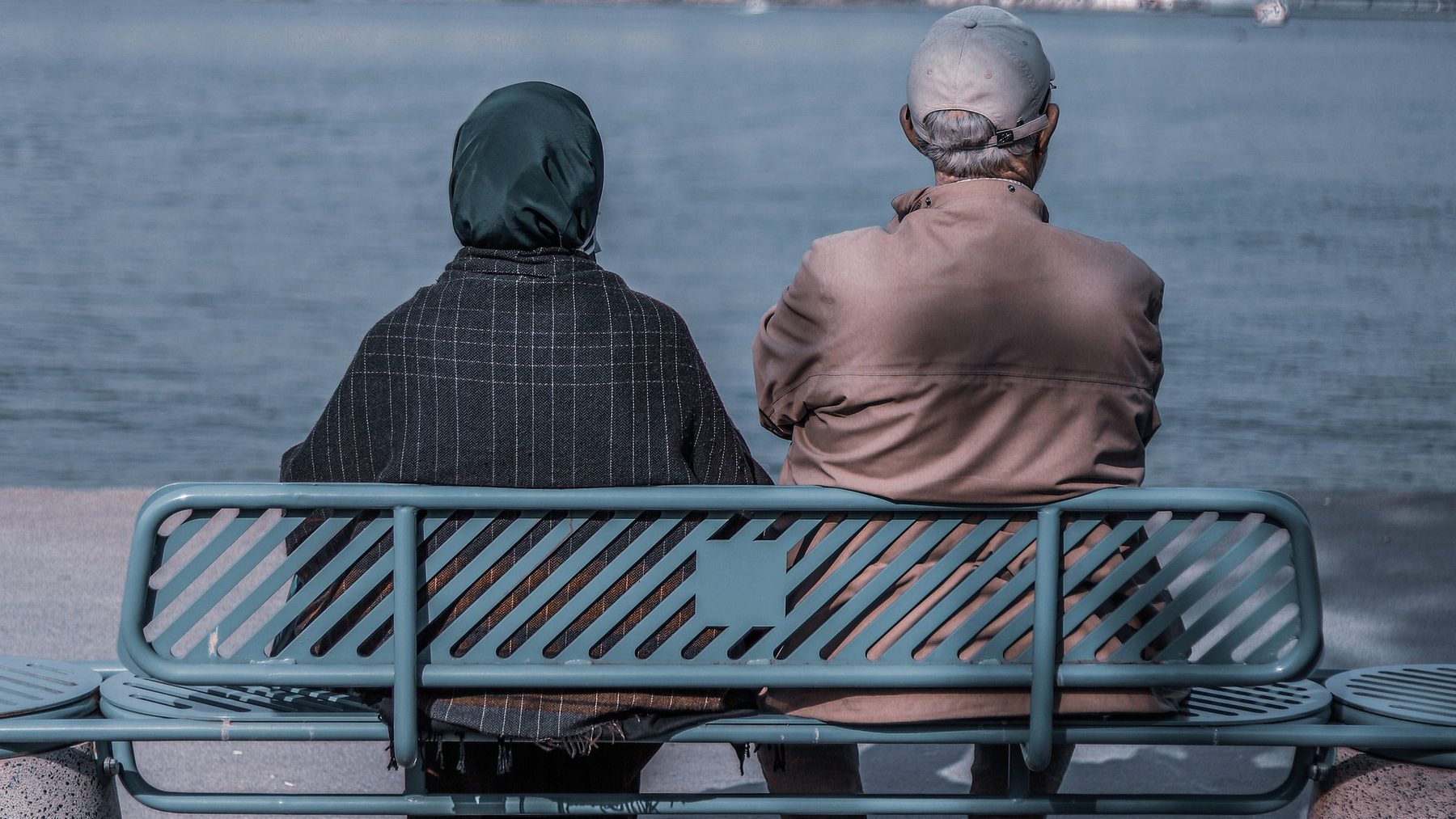
Illustrative stock photograph. The people pictured are not identified as retreat guests or psychedelic users. Photo: Sametraw / Pexels.
Quick answer
A growing share of our guests are in their fifties, sixties and seventies, and most of them have never taken a psychedelic. If that is you, the short version is: age is not a barrier, health is the question. Psilocybin is physically gentle compared with most things people over fifty are already prescribed, but it raises heart rate and blood pressure for a few hours, it interacts with some medications, and the experience asks a lot of the body on a long night. Our five-day retreat in Playa del Carmen is built for a small, mixed-age group of up to eleven, with health screening before any deposit, a physician on call, comfortable beds rather than a floor, and a pace that does not assume you are twenty-five. This page covers the health questions, what the first time is like later in life, and what to ask any retreat.
Why people over fifty are coming to psilocybin now
Three things changed. The research (Johns Hopkins, NYU, Imperial College) has been reported in mainstream newspapers for a decade, so the people reading it are now in their fifties and sixties. The trials themselves have skewed older: the landmark cancer-distress studies had an average age in the mid-fifties, and the depression trials routinely include participants in their sixties and seventies. And the questions that bring people to a retreat, a loss, retirement, an illness, a sense of time, tend to arrive after fifty. Michael Pollan's How to Change Your Mind, written by a man who had his first psychedelic experience at sixty, did more to bring this group to retreats than anything else. Our research review summarises the trials.
The health questions that actually matter
- Heart and blood pressure. Psilocybin raises both modestly for several hours. Controlled hypertension on medication is usually fine; unstable angina, recent heart attack or stroke, serious arrhythmia or heart failure are reasons not to come. We ask, and we may ask for a recent check-up or a physician's letter.
- Medications. SSRIs and SNRIs blunt the effect but are not dangerous; lithium, MAOIs and tramadol are different and we will say so; statins, blood-pressure drugs, thyroid medication and most diabetes medication are generally not a problem but we need the full list. Never stop anything to qualify. Our screening article has the detail.
- Diabetes. Manageable with planning: you may eat little on ceremony day and the night is long. Tell us.
- Mobility, joints and the bladder. The ceremony is five to six hours lying or sitting; you can get up, and a facilitator will walk you to the bathroom at any point. The yoga is gentle and optional, the temazcal (sweat lodge) is optional, and the cenote day involves steps and swimming that you can skip.
- Glaucoma, seizures, pregnancy and psychiatric history. Glaucoma is a conversation; a seizure history needs a physician's view; a personal or family history of psychosis or bipolar I disorder is a reason not to come at any age.
What the first time is like later in life
Older first-timers tend to prepare better and worry more. The worry is usually about control, and the honest answer is that for a few hours you will not be in charge, which is often the point. What helps: a clear intention, no alcohol for a week before, sleep, and knowing exactly who is in the room and what they will do if you are frightened. Facilitators stay with the group throughout the ceremony and the physician is on call. The second ceremony is usually calmer than the first because the fear has gone. Many older guests say afterwards that the physical demand was less than they expected and the emotional demand more. Our article on a first mushroom experience describes the arc of a ceremony hour by hour.
How our retreat is built for a mixed-age group
- Up to eleven guests, typically spanning several decades, so you are unlikely to be the only person over fifty.
- Hotel beds and private ensuite rooms available (US$2,300 per person; shared rooms for two travelling together at US$1,950).
- A day-one medical Q&A and a threshold session before anything is taken, so questions are answered in person.
- Two ceremonies with a full day between; nothing is rushed.
- Playa del Carmen, 55 minutes from Cancún airport by private shuttle, with two private hospitals in town, rather than a jungle camp hours from anywhere.
- An integration call after you are home, and a written guide.
See the retreat page for dates, the full programme and the team.
What to ask any retreat if you are over fifty
- Who reviews my medical history, and are they a physician?
- What happens if I have chest pain or a fall during the ceremony, and how far is the hospital?
- Can I have a private room and a real bed?
- How many guests per facilitator on ceremony night?
- What is the dose range, and will you start me low?
- Is any part of the programme compulsory?
Our guide on how to compare retreats in Mexico expands on these.
Frequently asked questions
Is there an upper age limit for a psilocybin retreat?
We have no upper age limit. Health screening decides, not age, and there is no reason a healthy person in their seventies cannot attend. Cardiovascular stability and medications are the main questions.
Is psilocybin safe with blood pressure medication?
Usually, if your blood pressure is controlled. Psilocybin raises blood pressure modestly for a few hours. Tell us what you take and your recent readings and we will answer before any deposit. Never stop medication to qualify.
Do I have to do yoga or the sweat lodge?
No. Yoga is gentle and optional, the temazcal is optional, and the cenote day can be a shaded day by the water. Only the ceremonies and the circles are the core of the retreat.
What dose will I be given?
Dosing is discussed individually at the threshold session and can start low, with the option of more during the ceremony. Nobody is given a dose they have not agreed to.
Sources
Checked November 1, 2026.
- Life Synergy: Psilocybin and the Science of Healing. Trial populations, cardiovascular effects, medication interactions, 42 sources.
- NCCIH: Psilocybin for mental health and addiction. Adverse effects and warnings.
Bring your medication list to the call
A discovery call is the place to ask every health question you have. We will give you a clear answer on whether the retreat is suitable before you pay anything. The call is informational and is not medical advice.