


How can you use a mantra for therapy?
Quick Answer
A mantra is a word, phrase, sound, prayer, or repeated line that gives the mind somewhere steady to rest — used devotionally, in meditation, or simply to support focus, courage, or calm. Mantra practice is a wellness and spiritual tool; it is not a substitute for psychotherapy, medication, or professional mental health care.
What Is a Mantra?
The word mantra comes from Sanskrit — manas (mind) and tra (tool or vehicle). In its most practical sense, a mantra is any word, phrase, or sound repeated intentionally to give the mind a steady object of attention. It can be used in formal meditation, during movement, or simply as a quiet anchor in the middle of a difficult day.
Mantras appear across Hindu, Buddhist, Jain, Sikh, and Christian traditions, as well as in contemporary secular mindfulness contexts. Their use and meaning vary considerably across those traditions.
Mantra practice works by giving attention somewhere to rest — reducing mental scatter and supporting a calmer, more centred state over time.
What Repetition Can Do
Repeating a sound or phrase provides a steady reference point for the mind. When the mind wanders — which it will — you notice and return to the phrase. This process of returning is itself the practice.
Repetition can support concentration, breath awareness, and a sense of grounded presence. It is a tool for pausing before reacting, not proof of changing external reality or a method for influencing outcomes beyond your own inner state.
Choosing a Phrase
Useful phrases are simple, easy to remember, and personally meaningful. Some options include a single quality you want to cultivate (peace, steadiness, kindness), a short intention, or a traditional phrase from a practice tradition you genuinely connect with. Avoid casually borrowing sacred language from traditions you haven't engaged with — it can flatten meaning and cause unintended offence.
If you are unsure, start with something straightforward: "I am here" or simply "peace."
A Simple Practice
Set aside five minutes. Sit or walk comfortably. Begin repeating your phrase silently or aloud at an easy, natural pace. Notice the sound and rhythm of the words. When your mind wanders — when thoughts, plans, or distractions take over — simply notice and return to the phrase. Stop if anything feels uncomfortable. That's the complete practice.
Over days and weeks, the phrase may begin to arise more automatically in moments of stress or transition, offering a brief pause before reaction.
Om and Cultural Respect
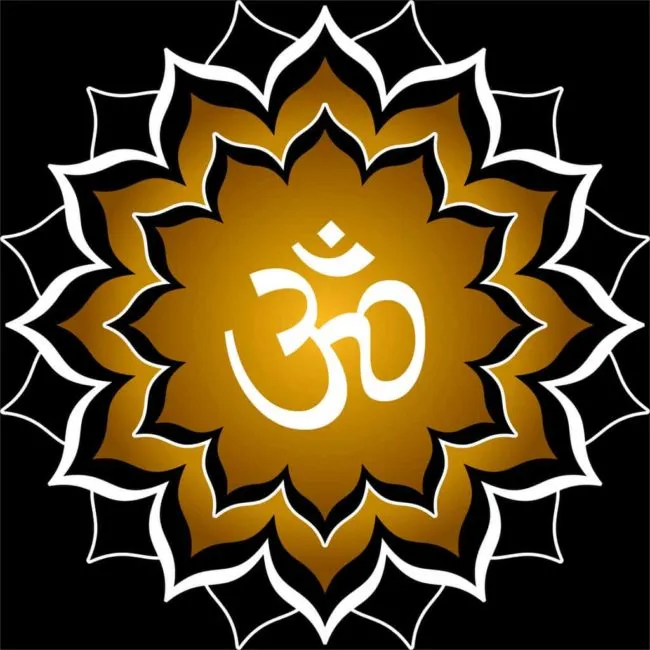
Om (also written Aum) holds deep significance in Hindu, Buddhist, Jain, and yoga traditions — considered a primordial sound connecting individual consciousness with universal existence. It carries considerable weight and should not be reduced to a generic wellness sound or used without some understanding of its context.
Mantra Is Not a Substitute for Professional Care
Mantra practice supports meditation, reflection, and inner calm. It does not replace psychotherapy, psychiatric medication, crisis support, or any other form of professional mental health care. If you are experiencing significant distress, please seek support from a qualified clinician.
Sources and Further Reading
- The Eight Limbs of Yoga — Life Synergy Retreat
- Meditation: Keeping It Simple — Life Synergy Retreat
- Effects of Mantra Repetition on the Mind — PubMed Central
Last reviewed October 2026.
Frequently Asked Questions
What is the purpose of a mantra?
A mantra gives the mind a steady, intentional focal point — reducing scatter and supporting presence. In spiritual traditions it also carries devotional and energetic meaning tied to the specific sound or phrase chosen.
Can I make up my own mantra?
Yes. A personally meaningful word or short phrase that you can repeat easily works well. It does not need to come from a tradition. The quality of your attention matters more than the specific words.
How is mantra different from affirmation?
Affirmations are typically goal-oriented statements about desired outcomes or qualities. Mantras are traditionally used as focal objects for meditative attention rather than as declarations about the future or self.
Can mantra practice be used alongside professional mental health care?
Yes, as a complementary practice — not a replacement. Discuss any meditation practice with your clinician, particularly if you have a history of dissociation, trauma, or psychosis.
Is it disrespectful to use Om outside of a specific tradition?
Using Om without understanding its significance can reduce a deeply meaningful symbol to superficial decoration. If it resonates with you, take time to learn its cultural and spiritual context before incorporating it into your practice.
Explore meditation and mantra practice at a retreat
Our programs include guided meditation, breathwork, and yoga in a supportive environment in the Riviera Maya.