



What to Eat Before a Psilocybin Retreat
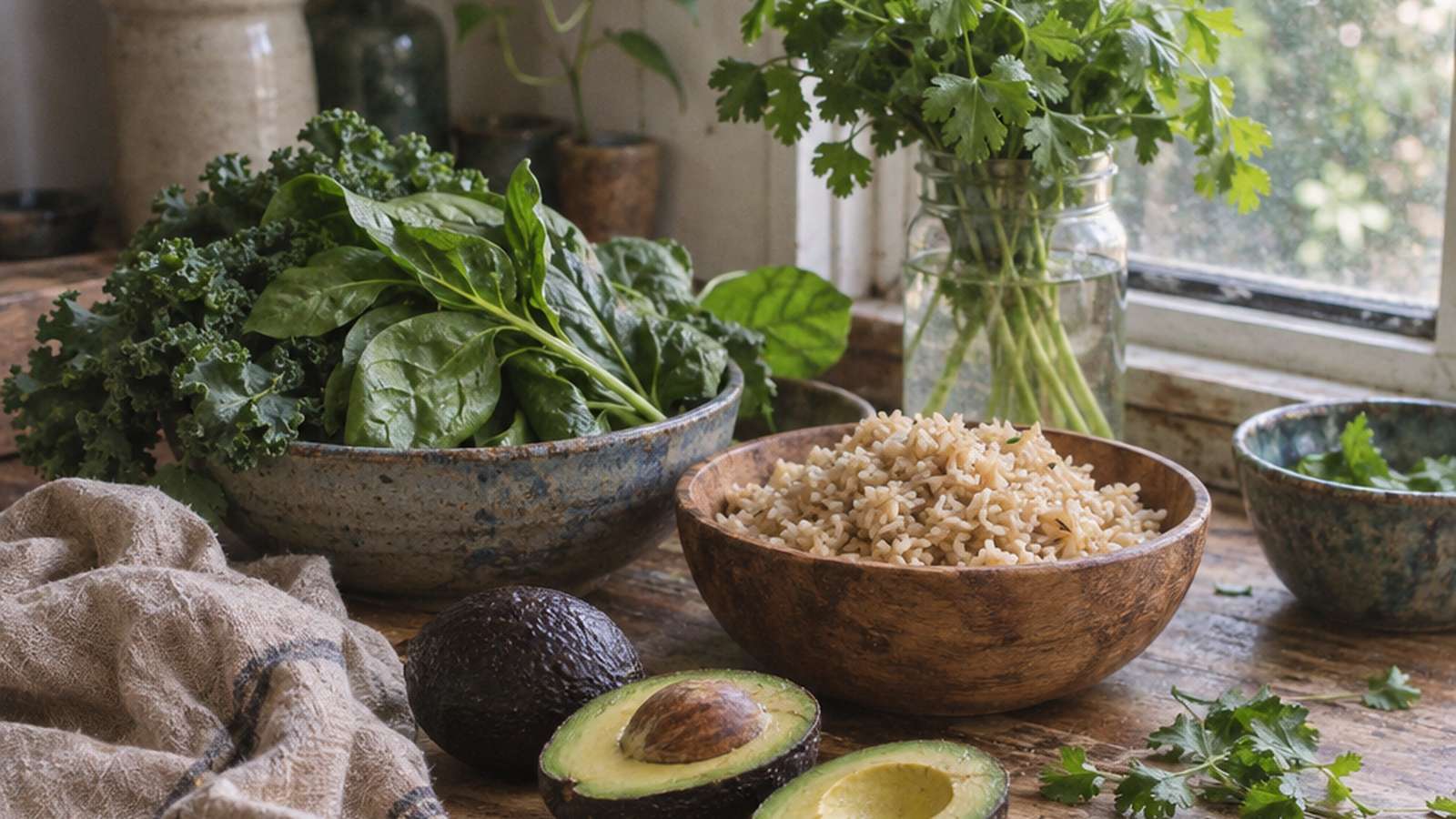
Illustrative image created with AI. Not a photograph of Life Synergy Retreat.
Quick answer
In the days before a psilocybin retreat, choose familiar, balanced meals, drink fluids regularly, and avoid turning preparation into a crash diet or fast. Life Synergy recommends gradual dietary changes, reducing alcohol and recreational substances ahead of arrival, and sharing medications, supplements, allergies, and dietary needs during screening. Ask for the meal instructions that apply to your particular ceremony, and never change prescribed medication or a medically necessary diet on your own.1,2,3
There is something wonderfully ordinary about good preparation. A bowl of food you enjoy. A glass of water. An earlier night. Not quite as dramatic as buying twelve supplements, but considerably easier to pack.
The aim is not to arrive with a "perfect" body or prove your commitment through restriction. It is to arrive with your practical needs understood, your questions answered, and fewer last-minute experiments.
This guide separates general food and sleep guidance from Life Synergy's published preparation recommendations. It is not an individualized nutrition plan, a prescription, or a promise about how a psilocybin experience will feel.
1. What should I eat in the days before a retreat?
Keep meals familiar and varied. General balanced-eating guidance includes fruit and vegetables, starchy foods such as rice, potatoes, bread or oats, protein foods, and dairy or suitable alternatives. Balance can happen across a day or week rather than at every single meal. These are everyday nutrition principles, not a special diet proven to change a psychedelic experience.2
Practical meal ideas might include:
- Oats with fruit and yogurt or an alternative you already use.
- Rice or potatoes with cooked vegetables and a familiar protein, such as beans, tofu, eggs or fish.
- Soup with bread and another food that makes it a satisfying meal.
- A sandwich, fruit and a snack you normally tolerate well while traveling.
These are examples, not a required menu. Adapt them to your preferences, allergies, budget, and any instructions from your own healthcare professional.
If a particular food regularly makes you uncomfortable, the days before departure are probably not the time to test your relationship with it again. Equally, there is no need to abandon foods that work well for you simply because someone online has a very confident list.
Keep preparation simple: choose meals you recognize, make room for enough food, and tell the retreat team what you need.
2. Which foods are worth limiting, and why?
A preparation suggestion should come with a reason. "This may not suit your stomach" and "this interacts with your medication" are very different statements. So are a personal preference, a ceremonial custom, and a medical instruction.
| Food or habit | A practical approach before arrival | What the guidance does, and does not, mean |
|---|---|---|
| Very large meals late at night | Consider an earlier meal or a smaller evening portion that still meets your needs. | NHLBI advises avoiding heavy or large meals within a few hours of bedtime. This is sleep guidance, not a psilocybin food-interaction rule.4 |
| Foods high in added sugar, salt or fat | Keep them from replacing most of your ordinary meals. | The NHS suggests eating these less often and in smaller amounts. This does not establish that one dessert or salty snack changes a ceremony.2 |
| Foods you know do not agree with you | Choose familiar alternatives rather than experimenting before travel. | This is a practical comfort suggestion, not a universal ban on spicy food, beans, dairy or other food groups. |
| New supplements, powders or concentrated caffeine products | Do not add them because a social-media checklist calls them essential. Disclose what you already use. | Life Synergy asks about supplements during screening, and the FDA warns about pure and highly concentrated caffeine products.1,5 |
| Sudden fasting or major dietary restriction | Do not start an abrupt fast as retreat preparation. | Life Synergy's published guidance discourages abrupt fasting. Any medically necessary eating plan needs individualized discussion.1 |
You do not need to treat food as a purity test. The relevant questions are what you usually eat, what you tolerate, and whether there are specific instructions for your booking.
3. Should I stop coffee or caffeine?
Do not assume that preparation means abruptly stopping a daily coffee habit. If you want to reduce caffeine, the FDA recommends doing so gradually because withdrawal can be unpleasant. Sensitivity also varies between people.5
Pay attention to timing, especially if you are trying to protect your sleep before travel. NHLBI notes that caffeine's effects can last up to eight hours, so late-afternoon coffee can interfere with falling asleep that night. Coffee, tea, some soft drinks, chocolate and energy drinks can all contain caffeine.4
A practical approach is to ask the team about the retreat's coffee arrangements before you arrive. If a change is needed, make space for it beforehand rather than discovering it at breakfast on day one.
This article does not set a caffeine cutoff or an allowed daily amount for a ceremony. Those details should come from your current participant instructions, with advice from your healthcare professional when relevant.
4. What about alcohol, cannabis and other substances?
Life Synergy's published guide recommends beginning preparation about a month ahead, including reducing alcohol and recreational substances. It also says not to arrive intoxicated and asks participants to disclose alcohol, cannabis, supplements and other substances during screening. If your retreat is only days away, tell the team rather than trying to compress a month of preparation into one dramatic weekend.1
The reason to discuss substances is not moral judgment. Combining psilocybin with other drugs can be unpredictable and dangerous, according to the Alcohol and Drug Foundation. A retreat team needs an accurate picture of what you use, including prescription and over-the-counter products.6
Do not self-prescribe a fixed abstinence period from an article. The substance, your pattern of use, and your health circumstances matter. Ask what the team requires and what needs review by a qualified healthcare professional.
If you are dependent on alcohol or get withdrawal symptoms, seek medical help before stopping or reducing drinking. Suddenly stopping can be dangerous. A retreat is not a place to manage withdrawal, and a preparation checklist does not replace medical support.7
Never stop or change prescribed medication to make yourself eligible. Life Synergy's guidance explicitly directs medication decisions to your prescriber. Honest screening is more important than arriving with the answers you think someone wants to hear.1
5. Do I need to fast before a psilocybin ceremony?
Do not start an extended or abrupt fast because you have seen an "empty stomach" rule online. Life Synergy's published preparation guidance discourages abrupt fasting.1
There is also a difference between what you eat over the preceding days and the meal schedule on ceremony day. Ask the team to confirm the actual instructions for your booking:
- When is the last planned meal before the ceremony?
- What food and drink will be available afterward?
- Who should I contact if the schedule conflicts with my usual eating needs?
- How will allergies or a medically necessary diet be accommodated?
Nausea can occur with psilocybin. That does not establish that fasting will prevent it, or that a particular food can guarantee a comfortable experience. This article does not recommend a fasting window or claim that any menu makes psilocybin safe.8
If you have blood-sugar concerns, an eating-disorder history, a condition that affects eating, or medication that needs food, raise that before travel. Do not wait until the ceremony meal is served to explain that the schedule does not work for you.
6. How much water should I drink before the retreat?
Think regular hydration, not a water challenge. The NHS's general guide is six to eight cups or glasses of fluid a day, while acknowledging that needs can increase in hot weather and with prolonged physical activity. That is a population guide, not a personalized retreat target.3
For travel, keeping a water bottle available and drinking with meals can make hydration less easy to forget. Food and other drinks also contribute fluid; plain water is not the only source.3
Do not force large amounts of water because you think more must be better. If your clinician has given you a fluid restriction or another individualized instruction, follow it and tell the retreat team. The ceremony's arrangements for drinking water and bathroom access are also reasonable questions to ask beforehand.
7. What does Life Synergy specifically recommend?
Life Synergy's published mushroom-retreat guide recommends starting preparation about a month ahead, making gradual dietary changes, staying hydrated, and reducing alcohol and recreational substances. It asks guests to disclose medications, supplements, allergies and dietary needs, and warns against changing prescribed medication or medically necessary foods without their prescriber's advice.1
The program describes nutrient-dense meals and potential options for vegan, vegetarian, pescatarian, gluten-free, dairy-free and nut-free needs. Confirm the arrangements for your particular retreat rather than assuming every request has already been agreed.1
For someone arriving in the next few days, the most useful next steps are practical:
- Read the participant information sent for your dates.
- Ask for any ceremony-specific meal and drink instructions.
- Confirm allergies and dietary requirements directly with the team.
- Bring unresolved medication, supplement or substance-use questions into screening.
- Avoid abrupt fasting or last-minute dietary overhauls.
This is wellness preparation, not clinical care. A food plan cannot confirm eligibility or replace health and medication screening. Life Synergy's published process calls for screening before a direct-booking deposit is taken.1
8. A simple food checklist for the final few days
Rather than trying to become a different person by Friday, make the next few days manageable.
A few days before travel: Plan ordinary meals, organize familiar travel snacks, and confirm any allergy or dietary arrangements. If you have not received preparation instructions, ask for them now.
The day before departure: Pack what you need for the journey. Leave space for sleep rather than a very late, very large meal or late caffeine. These are general sleep considerations, not ceremony rules.4
After arrival: Check the meal schedule with the team. If something has changed, including a medication, supplement, substance use, or your ability to eat normally, speak up before the ceremony.
Throughout preparation: Do not use restriction as proof that you are ready. The goal is clear communication and a workable routine, not winning the retreat-preparation Olympics.
Have a question about what applies to your dates? Contact Life Synergy at contact@lifesynergyretreat.com or book a free discovery call. We can explain the program and preparation process; individualized medical and medication questions belong with your qualified healthcare professional.
Frequently asked questions
What should I eat three days before a psilocybin retreat?
Choose familiar, balanced meals that fit your usual needs. Examples include oats and fruit, soup with bread, or rice with vegetables and a familiar protein. There is no three-day menu prescribed here. Ask for your retreat's current preparation instructions and do not replace a medically necessary eating plan with general retreat advice.1,2
Do I have to be vegan or vegetarian before a mushroom retreat?
Life Synergy's published guide describes several possible dietary options, including vegetarian, vegan and pescatarian meals. It does not establish a universal requirement to become vegan before arrival. Confirm the menu and your requirements with the team.1
Do I need to avoid dairy, meat or fermented foods?
Do not assume every psilocybin retreat requires the same restrictions. This guide does not establish a blanket ban on those food groups. Ask whether a proposed restriction is a program preference, a ceremony-specific instruction, or advice related to your own health circumstances. The NHS's general balanced-diet guidance includes dairy or alternatives and a range of protein foods.2
Can I drink coffee in the days before the retreat?
How many days before a retreat should I stop alcohol or cannabis?
There is no individual stop date prescribed in this article. Life Synergy recommends starting preparation about a month ahead by reducing alcohol and recreational substances and disclosing what you use. Ask the team and your healthcare professional what applies to you. If alcohol dependence or withdrawal is involved, get medical help before reducing or stopping.1,7
Will fasting or eating a light meal prevent nausea?
Should I stop medication or supplements before the retreat?
What if I have allergies or need a special eating schedule?
Tell Life Synergy before travel and confirm what can actually be accommodated. The published program asks guests to share allergies and dietary needs and describes several possible meal options. A medically necessary diet or eating schedule should be discussed with your healthcare professional as well as the team.1
Sources
Sources checked October 7, 2026. General nutrition, hydration and sleep sources are not evidence that a particular diet changes a psilocybin experience. Life Synergy's program information should be confirmed for the booking in question.
- Life Synergy Retreat: Mushroom Retreat. Published preparation timeline, gradual dietary changes, alcohol and recreational-substance guidance, medication and supplement disclosure, dietary needs, meal options, avoidance of abrupt fasting, and pre-deposit screening. Program guidance, not a clinical nutrition protocol.
- NHS: The Eatwell Guide. General balanced-eating principles, food groups, balance across a day or week, and foods to eat less often. Not psychedelic-specific evidence.
- NHS: Water, drinks and hydration. General fluid-intake guidance and variation with heat and activity. Not a personalized fluid prescription.
- National Heart, Lung, and Blood Institute: Healthy Sleep Habits. General guidance on large meals near bedtime, alcohol, caffeine and sleep. Not a psilocybin interaction study.
- FDA: Spilling the Beans, How Much Caffeine Is Too Much?. Gradual caffeine reduction, individual sensitivity, and cautions about concentrated caffeine products.
- Alcohol and Drug Foundation: Psilocybin. Cautions about mixing psilocybin with other drugs, including prescribed and over-the-counter medicines, and the unpredictability of effects.
- NHS: Alcohol-use disorder. Warning that suddenly stopping alcohol can be dangerous for dependent drinkers and advice to seek medical help before reducing or stopping when withdrawal symptoms occur.
- National Center for Complementary and Integrative Health: Psilocybin for Mental Health and Addiction, What You Need To Know. Possible adverse effects, including nausea, and variability of experiences. Cited for risk information, not for a medical benefit claim.
Ask about food and preparation for your retreat
Let us explain the meal arrangements, preparation guidance and screening process for your dates. A discovery call is not medical advice or confirmation of eligibility. You can also email contact@lifesynergyretreat.com.